Choose Your Class Before You Commit
Your class determines how you fight, contribute to parties, and approach solo progression in AION 2. Since a character cannot freely switch classes later, choosing one that fits your preferred role matters more than chasing a temporary damage ranking.
The global launch roster has eight classes shared by both factions: Templar, Gladiator, Assassin, Ranger, Sorcerer, Spiritmaster, Cleric, and Chanter. Each fills a recognizable MMO niche, from durable tanks to ranged damage specialists and dedicated support.
| Class | Primary role | Weapon | Combat range |
|---|---|---|---|
| Templar | Tank | Longsword and shield | Melee |
| Gladiator | Melee DPS / off-tank | Greatsword | Melee |
| Assassin | Burst DPS | Dual daggers | Melee |
| Ranger | Physical DPS | Bow | Ranged |
| Sorcerer | Magic DPS | Spellbook | Ranged |
| Spiritmaster | Summoner / magic DPS | Orb | Ranged |
| Cleric | Healer | Mace | Mixed |
| Chanter | Support | Staff | Melee |
Your faction does not lock you out of a class. Pick Elyos or Asmodian based on where your friends play, then choose the combat identity you want to develop.
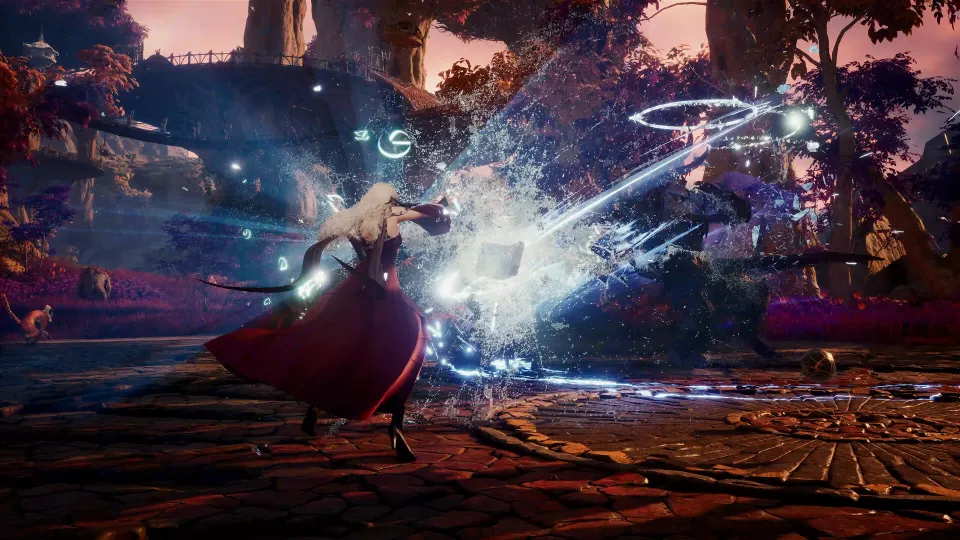
Every AION 2 Class Explained
The best AION 2 class is the one whose responsibilities feel rewarding to you. A tank who enjoys controlling fights may have more fun with Templar than with a higher-damage option, while a player who values quick, safe leveling may prefer Ranger.
| Class | What it does well | Consider it if you enjoy | Main tradeoff |
|---|---|---|---|
| Templar | Absorbing damage, taunting, controlling enemies | Leading dungeon pulls and protecting allies | Slower solo damage |
| Gladiator | Durable melee pressure and area attacks | Heavy weapons and flexible frontline play | Less specialized than pure tank or DPS |
| Assassin | Stealth, mobility, and burst damage | Duels, target pursuit, and quick eliminations | Fragile when caught |
| Ranger | Consistent bow damage, traps, and mobility | Straightforward ranged combat | Vulnerable at close range |
| Sorcerer | Area damage and magical crowd control | Big spell effects and clearing groups of enemies | Requires positioning |
| Spiritmaster | Elemental summons, curses, and control | Pet-assisted caster gameplay | More setup and resource awareness |
| Cleric | Recovery, protection, and self-sustain | Keeping parties alive | Lower damage output |
| Chanter | Buffs, support healing, and melee utility | Hybrid support roles | Not as focused as a dedicated healer |
Templar is the traditional defensive anchor. It uses a sword and shield to hold enemy attention, mitigate incoming damage, and give allies room to attack safely. It is especially attractive for dungeon groups because parties consistently need a reliable tank.
Gladiator trades some defensive specialization for offense. Its greatsword attacks are built around melee damage and broad strikes, making it useful against groups of enemies. It can survive better than many dedicated damage dealers, so it is a comfortable fit for players who want a self-sufficient melee character.
Assassin is for players who want speed and explosive damage. Dual daggers, stealth, gap-closing tools, and control effects help it pressure vulnerable targets. It rewards awareness and timing, particularly in competitive content, but its lower durability leaves little margin for mistakes.
Ranger offers physical ranged damage through a bow, along with traps and mobility. It is one of the simplest ways to experience ranged combat because it can damage enemies from a safe distance without managing an extensive spell rotation.
Sorcerer is the high-impact magic caster. It specializes in elemental attacks, area damage, and crowd control. A Sorcerer can clear ordinary enemies quickly, but it needs space to cast effectively and can struggle when opponents reach it.
Spiritmaster fights alongside elemental spirits while casting with an orb. Its summons add damage, utility, and control, giving the class a distinctive rhythm. Rather than constantly micromanaging several pets, players rotate summon-based effects and capitalize on the resulting openings.
Cleric is the dedicated healer. It restores health, applies protective magic, and brings important survivability to groups. Cleric can sustain itself while leveling, though healing becomes a major responsibility when party content gets demanding.
Chanter blends staff-based melee combat with buffs and supplemental healing. It is a flexible support choice for players who want to contribute beyond raw damage without committing fully to the Cleric’s healer role.
Pick by Activity and Playstyle
Start with the type of experience you want most often, not the content you may play occasionally. A class that feels good during regular leveling is more likely to become a satisfying main.
| Your priority | Strong choices | Why |
|---|---|---|
| First character | Templar, Ranger, Cleric | Forgiving defenses, safe range, or dependable self-healing |
| Solo progression | Templar, Gladiator, Spiritmaster | Durability, sustained melee, or summon utility |
| Dungeon groups | Templar, Cleric, Chanter | Tanking, healing, buffs, and support are always useful |
| Fast ranged clearing | Ranger, Sorcerer | Reliable distance damage or powerful area spells |
| PvP bursts and duels | Assassin, Gladiator, Ranger | Mobility, control, burst, and target pressure |
| Crowd control and magic | Sorcerer, Spiritmaster | Area control, disables, curses, and elemental effects |
| Hybrid gameplay | Gladiator, Chanter | Damage plus resilience, or support plus melee action |
A few useful starting points:
- Choose Templar if you like being responsible for enemy positioning and protecting a team.
- Choose Ranger if you want an accessible, mobile ranged damage dealer.
- Choose Cleric if helping teammates survive sounds more satisfying than topping damage charts.
- Choose Gladiator if you want a sturdy melee character without being locked into pure tanking.
- Choose Assassin if fast movement, stealth, and PvP pressure are your priorities.
- Choose Sorcerer if you enjoy managing range while delivering large magical attacks.
- Choose Spiritmaster if elemental summons and battlefield disruption appeal to you.
- Choose Chanter if you want to enhance allies while still participating directly in melee.
Class balance can shift as seasons, patches, and regional versions evolve. Treat tier lists as snapshots of a specific environment rather than permanent instructions for what to play.
Weapons, Roles, and Group Value
Weapon choice reinforces each class’s job rather than functioning as a separate build path. A shield signals Templar’s defensive role, while a bow, spellbook, or orb keeps the ranged classes focused on damage and control from a distance.
| Party need | Best fit | How it helps |
|---|---|---|
| Keep enemies focused | Templar | Taunts, defense, and frontline control |
| Sustain party health | Cleric | Direct healing and protective abilities |
| Improve team performance | Chanter | Buffs, support healing, and utility |
| Clear enemy packs | Gladiator, Sorcerer | Wide attacks and area damage |
| Pressure priority targets | Assassin, Ranger | Burst, range, mobility, and pursuit |
| Control difficult encounters | Spiritmaster, Sorcerer | Disables, debuffs, and space control |
In organized content, dedicated roles are often easier to place in groups. Templar and Cleric are natural choices when quick group access is more important than personal damage output. Chanter also brings valuable support, especially when a party benefits from buffs alongside extra healing.
Damage dealers have different strengths rather than identical purposes. Gladiator thrives close to the action and can take more punishment than lighter classes. Ranger applies steady pressure from range. Sorcerer excels when enemies can be grouped or controlled. Assassin is strongest when it can isolate or chase targets. Spiritmaster brings a mix of damage, summons, and disruption.
Do not assume that a class’s group value makes it mandatory for every activity. A well-played character with appropriate gear, skills, and awareness is generally more useful than a supposedly stronger class played without understanding.
FAQ
What is the best AION 2 class for beginners?
Templar, Ranger, and Cleric are strong beginner considerations. Templar is forgiving because of its defenses, Ranger keeps threats at range, and Cleric has strong self-sustain. Choose based on whether you prefer tanking, damage, or healing.
Can you change your class in AION 2?
There is no free class-change option for an existing character. If you decide another class suits you better, expect to create a new character, so testing several options early is worthwhile.
What is the best AION 2 class for solo play?
Templar and Gladiator are comfortable solo choices because they can survive extended fights. Spiritmaster is also appealing for solo players who enjoy using elemental summons for added damage, control, and utility.
Which class is best for PvP?
Assassin, Gladiator, and Ranger are strong choices for players drawn to PvP. Assassin emphasizes stealth and burst, Gladiator offers durable melee control, and Ranger combines range with mobility. Personal execution matters more than a broad ranking.
Is Cleric the only healer?
Cleric is the dedicated healer and the clearest choice for players who want healing to be their primary job. Chanter can provide support healing and buffs, but it is a hybrid support class rather than a full replacement for Cleric.