Choose for Your Playstyle, Not a Temporary Tier List
Your class determines how AION 2 feels from the first quests through difficult group content, so it is worth choosing for the combat loop you will enjoy repeatedly. Balance changes can move damage rankings quickly, while a class’s core identity usually remains stable.
There are eight launch classes: Templar, Gladiator, Assassin, Ranger, Sorcerer, Spiritmaster, Cleric, and Chanter. Classes are tied to characters, so changing roles later generally means making an alt rather than freely swapping your main.
The quick answer: choose Ranger for accessible ranged damage, Gladiator for flexible melee solo play, Templar or Cleric for reliable group demand, Assassin for burst PvP, Sorcerer for AoE casting, Spiritmaster for summons, or Chanter for hybrid support.
| If you want... | Best class to consider | Why it fits |
|---|---|---|
| An easy first character | Ranger | Straightforward ranged damage, mobility, and safe leveling |
| A durable frontliner | Templar | Strong defenses, enemy control, and a clear tank role |
| Flexible melee combat | Gladiator | Damage, durability, and off-tank utility |
| A dedicated healer | Cleric | Powerful healing and consistent group demand |
| High-risk burst damage | Assassin | Stealth, mobility, crowd control, and explosive windows |
| Big spell damage | Sorcerer | Ranged AoE, control effects, and high damage potential |
| Pets and tactical utility | Spiritmaster | Elemental summons, ranged pressure, and varied control |
| Buffs with active combat | Chanter | Party support, off-healing, and respectable damage |
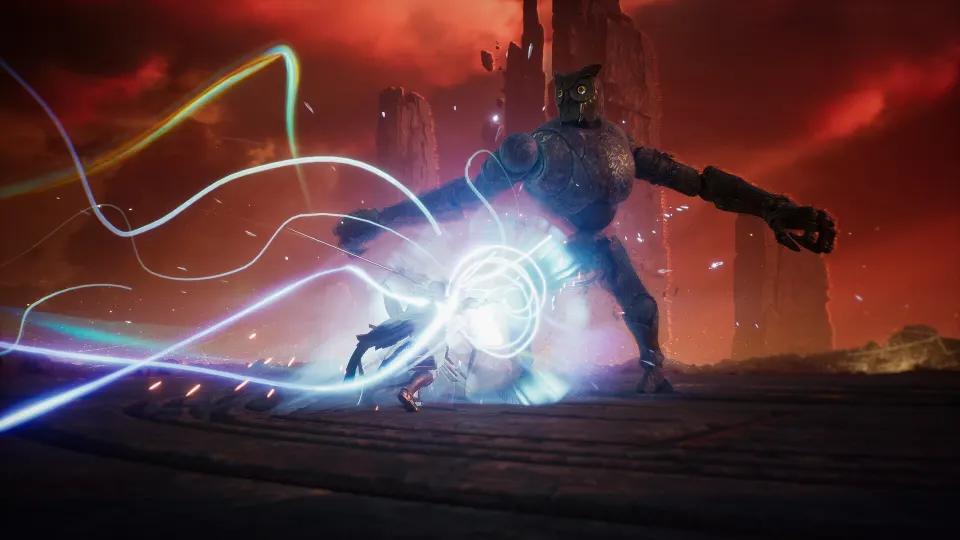
All Eight Classes at a Glance
AION 2 uses familiar MMO roles, but most classes can still contribute damage. The important distinction is what a class brings when an encounter becomes difficult: defensive control, healing, buffs, reliable range, burst, or crowd control.
| Class | Primary role | Weapon style | Learning curve | Strongest appeal |
|---|---|---|---|---|
| Templar | Tank | Sword and shield | Easy | Leading groups and absorbing pressure |
| Gladiator | Melee DPS / off-tank | Greatsword | Moderate | Durable all-round melee play |
| Assassin | Burst melee DPS | Dual daggers | Moderate to high | Stealth, back attacks, and duels |
| Ranger | Physical ranged DPS | Bow | Easy | Safe, mobile, consistent damage |
| Sorcerer | Magical ranged DPS | Spellbook | Moderate | AoE spells and control chains |
| Spiritmaster | Ranged DPS / summoner | Orb | Moderate | Elemental spirits and setup play |
| Cleric | Healer | Mace | Easy mechanically | Healing, recovery, and resurrection |
| Chanter | Support / hybrid | Staff | Easy to moderate | Buffing allies while fighting |
Templar is the purest tank. It holds enemy attention, survives heavy damage, and controls positioning. Choose it if you enjoy setting the pace of dungeon pulls and protecting allies. Its solo damage is less exciting than dedicated DPS, but its defenses forgive mistakes.
Gladiator is a good choice for players who want melee combat without fully committing to tanking. It has sturdy frontline tools, crowd control, and enough offense to feel comfortable alone. It suits players mixing quests, farming, dungeons, and occasional PvP.
Assassin is for players who enjoy setting up a kill rather than maintaining steady pressure. Positioning behind targets, timing cooldowns, and choosing an opening matter greatly. It can be devastating in short fights and small-scale PvP, but it is less forgiving when movement denies back attacks.
Ranger is the cleanest recommendation for many new players. Its bow provides distance, mobility, and steady damage without demanding complex positional conditions. You still need to kite threats and use control tools well, but open-world progression feels efficient and safe.
Sorcerer offers the classic fragile-but-powerful caster fantasy. It uses spells for area damage, slows, pulls, and other control effects. A Sorcerer can clear groups quickly and contribute heavily from range, but interrupted casts and poor positioning are costly.
Spiritmaster uses elemental summons as part of a caster rotation rather than leaving one pet to fight. Different spirits provide different effects, and effective play involves cycling summons, building buffs, and using the right damage window. It rewards preparation and can be comfortable for players with higher latency.
Cleric is the dedicated healer. Its personal damage is lower than a pure DPS class, but healing, protection, and resurrection tools keep groups alive. Solo leveling may be slower, yet its self-sustain and party demand make it a strong long-term choice.
Chanter sits between support and combatant. It offers buffs, utility, off-healing, and more direct damage than Cleric. Pick it when you want to improve a group without focusing entirely on health bars.
Pick by Solo Play, Groups, and PvP
The best class changes with your preferred content. A high-damage class may clear quickly, while a tank or healer may get dungeon invitations faster. Do not treat a raid damage chart as a universal recommendation.
| Activity | Recommended classes | What matters most |
|---|---|---|
| Relaxed solo leveling | Gladiator, Templar, Ranger | Survivability, self-sufficiency, and safe damage |
| Fast mob clearing | Sorcerer, Ranger, Spiritmaster | Range and multi-target damage |
| Dungeon and raid groups | Templar, Cleric, Chanter | Role coverage, survival, healing, and buffs |
| Small-scale PvP | Assassin, Gladiator, Sorcerer | Burst, mobility, and crowd control |
| Large-scale PvP | Templar, Cleric, Ranger, Spiritmaster | Survival, range, utility, and formation play |
| New-player comfort | Ranger, Templar, Cleric | Forgiving positioning and clear job expectations |
For solo content, Gladiator is a strong middle ground because it can take hits while still dealing meaningful damage. Templar is slower but extremely stable. Ranger is ideal if you prefer avoiding danger rather than soaking it, while Spiritmaster adds pet-based utility to extended encounters.
For group PvE, role scarcity matters. Templar is the dedicated tank and Cleric is the dedicated healer, so both are naturally valuable when parties need core roles. Chanter also helps with buffs and hybrid support. Damage slots are usually more competitive than tank and healer slots.
For PvP, context matters more than any single ranking. Assassin’s stealth and burst make it dangerous in duels and skirmishes. Gladiator combines pressure with control. Sorcerer can punish opponents with ranged control and spell damage, while Ranger can keep attacking safely if it maintains space.
Large battles favor classes that can contribute without constantly diving into danger. Templar can control objectives and pull enemies out of position. Cleric keeps allies fighting through sustained damage. Ranger and Spiritmaster apply ranged pressure, though crowded fights reward coordination and stable performance.
A Simple Way to Decide Before You Commit
If you are unsure, create several characters and test their early combat before investing heavily in one. Early levels will not reveal every endgame interaction, but they do reveal whether you enjoy the weapon rhythm, movement, and core abilities.
Use this checklist to narrow the decision:
- Do you want to lead enemies, protect allies, or avoid being targeted?
- Do you enjoy reacting to allies’ needs, or focusing on your own damage rotation?
- Would you rather fight at range, stay in melee, or combine support and offense?
- Are you comfortable with back attacks, cast times, pet management, or healing responsibility?
- Will you mostly play alone, with a fixed group, or in competitive PvP?
- Is fast leveling important, or are you happy trading speed for a useful group role?
Avoid choosing solely because a class is currently labeled S-tier. Balance patches can alter output, and encounter design can favor different kits. A class you understand well will usually feel better than a supposedly stronger class you dislike.
| Play preference | Best starting choice | Alternative |
|---|---|---|
| “I want the least stressful ranged option.” | Ranger | Spiritmaster |
| “I want to be hard to kill.” | Templar | Gladiator |
| “I want to help my group most.” | Cleric | Chanter |
| “I want melee damage with flexibility.” | Gladiator | Assassin |
| “I want flashy magic and AoE.” | Sorcerer | Spiritmaster |
| “I want tactical PvP picks.” | Assassin | Ranger |
| “I want a valuable endgame role.” | Cleric | Templar |
FAQ
Aion 2 which class to play if I am a beginner?
Start with Ranger, Templar, or Cleric. Ranger offers approachable damage from a safe distance, Templar survives mistakes well, and Cleric has strong self-healing plus excellent group value.
Which class is best for solo play?
Gladiator is one of the most balanced solo choices because it combines damage and durability. Ranger is excellent for ranged safety, while Spiritmaster suits players who enjoy summons and utility.
Which class finds groups most easily?
Templar and Cleric are the safest choices for regular group invitations because they fill dedicated tank and healer roles. Chanter is also valuable for buffs and hybrid support, especially in coordinated parties.
Is Assassin good for PvP?
Yes. Assassin is especially strong when stealth, mobility, positioning, and short burst windows matter. It is more demanding than Ranger or Gladiator because it relies on timing and back attacks, but skilled players can be threatening in duels and small fights.
Can I change my class later?
Classes are character-based, so expect to make another character if you want a different role. Trying a few early helps you avoid committing to a main you do not enjoy.