Choosing the Right PvP Class
The best PvP class matters because Arena duels and Abyss battles reward very different tools. A class that can ambush and finish targets alone may be less valuable than a tank or healer when two organized groups collide.
Gladiator and Assassin are the strongest starting points for players focused on personal kill pressure. Cleric, Templar, and Spiritmaster gain considerably more value when teamwork, objectives, and coordinated target calls determine the outcome.
AION 2’s eight Global launch classes each bring a distinct PvP identity. Korean and Taiwanese server trends are useful early indicators, but balance patches, build choices, gear progression, stigma setups, and player skill can all reshape the standings.
| PvP goal | Best starting class | Why it fits |
|---|---|---|
| Solo roaming | Assassin | Stealth, burst damage, and favorable openings |
| Direct melee fights | Gladiator | Sustained pressure, crowd control, and durability |
| Defensive frontline | Templar | Pulls, protection, and strong survival tools |
| Group healing | Cleric | Healing and cleansing keep allies active |
| Team disruption | Spiritmaster | Fear pressure and buff removal create openings |
| Safe ranged pressure | Ranger | Mobility, slows, traps, and consistent damage |
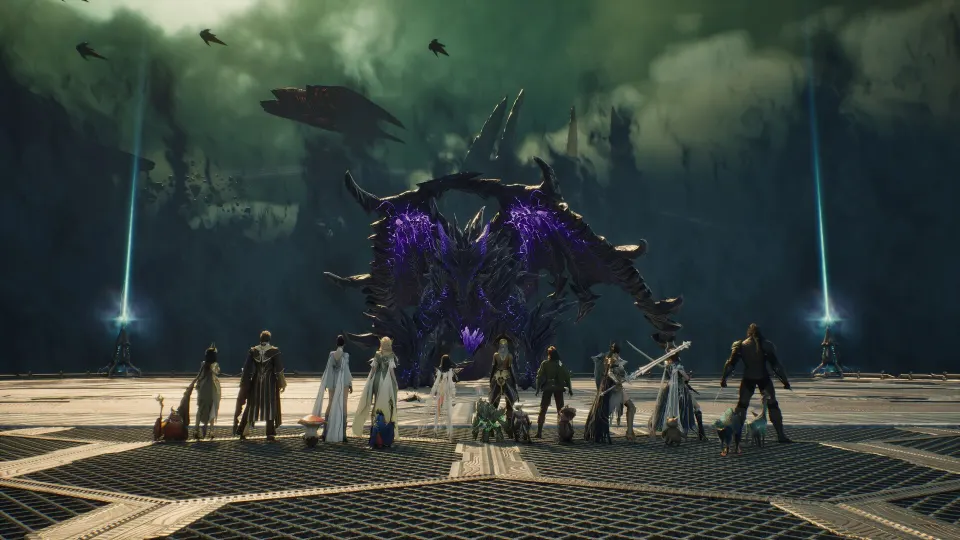
PvP Tier List by Battle Type
There is no single answer for every PvP format. Solo combat prioritizes finding targets, controlling the opening, securing a kill, and escaping. Organized Abyss PvP values protection, healing, initiation, crowd control, and pressure that supports the whole group.
Solo Roaming Tier List
| Tier | Classes | PvP strengths |
|---|---|---|
| S | Assassin, Gladiator | High kill pressure, strong engagement tools, and reliable follow-through |
| A | Chanter, Templar, Ranger, Sorcerer, Spiritmaster | Strong kits with matchup, positioning, or execution requirements |
| B | Cleric | Excellent survival, but fewer tools for forcing disengaging opponents to die |
Assassin is the clearest solo-hunting specialist. Shadow Walk helps it choose when to engage, Shadow Strike enables aggressive positioning, and Insignia Explosion supplies burst with potential control. A good Assassin does not merely open hard; it also plans for the target’s defensive cooldowns and nearby reinforcements.
Gladiator is the more forgiving S-tier solo option. It can stay in an extended exchange through durability and self-sustain while applying steady melee pressure. Leaping Slam helps close distance, and its crowd-control chains can punish opponents who make a positioning mistake.
Ranger, Sorcerer, and Spiritmaster are excellent choices for players who prefer controlling the fight from range. They are strongest when they establish space before an enemy reaches them. Once pressured in close range, their decisions become more demanding.
Organized Abyss PvP Tier List
| Tier | Classes | Team contribution |
|---|---|---|
| S | Cleric, Templar, Spiritmaster | Healing, protection, initiation, disruption, and objective control |
| A | Ranger, Sorcerer, Chanter | Ranged damage, utility, buffs, and defensive support |
| B | Assassin, Gladiator | Dangerous target pressure, but riskier dives into coordinated formations |
Cleric rises sharply in organized PvP because healing and cleansing can prevent a losing exchange from becoming a wipe. Radiant Recovery gives allies a chance to survive enemy pressure, reset their positioning, and continue contributing.
Templar is similarly stronger with teammates. Grapple can force awkward enemy movement, while defensive tools protect allies during decisive pushes. It may not always secure solo kills quickly, but it can control where and when a team fight happens.
Spiritmaster excels when a group can capitalize on disruption. Fear effects, summons, and buff removal become more threatening when allies are ready to attack the vulnerable target. Its value is less about a single burst combo and more about creating a window the entire party can exploit.
Class Strengths, Risks, and Playstyles
The best choice is usually the one whose responsibilities you enjoy under pressure. Pick a class based on how you want to win fights, not only on its current tier placement.
| Class | Best PvP role | Key advantage | Main risk |
|---|---|---|---|
| Gladiator | Bruiser and chaser | Durable sustained melee pressure | Can be kited without smart gap-closing |
| Assassin | Ambusher and finisher | Stealth-based burst and target selection | Vulnerable after a failed opening |
| Templar | Frontline protector | Pulls, blocking, and ally protection | Lower solo finishing power |
| Ranger | Mobile ranged damage | Kiting, traps, and slows | Loses comfort when cornered |
| Sorcerer | Control and burst | High magic damage from range | Fragile when caught |
| Spiritmaster | Disruption specialist | Fear, debuffs, summons, and buff removal | Requires careful setup and awareness |
| Cleric | Healer and cleanser | Exceptional group survival value | Limited solo chase potential |
| Chanter | Hybrid support | Mobility, recovery, buffs, and flexibility | Must make frequent role-priority decisions |
Gladiator is the best all-around recommendation for players who want to participate aggressively in every PvP format. Its combination of damage, crowd control, survivability, and approachable play pattern makes it effective even when a fight becomes messy.
Assassin is ideal for players who enjoy information advantage and decisive execution. You must learn when to wait, when to commit, and when to retreat. Its ceiling is high, but simply attacking from stealth will not guarantee a kill against prepared opponents.
Templar suits players who want to be difficult to remove and influential in group engagements. It is a smart choice for defensive-minded players, especially those who enjoy peeling attackers off allies instead of chasing leaderboard kills.
Choose Ranger or Sorcerer if you like winning through positioning. Ranger emphasizes movement and physical ranged pressure, while Sorcerer rewards deliberate crowd control and explosive spell windows. Both can dominate careless enemies, but neither should expect ranged attacks alone to create safety.
Choose Cleric or Chanter if you want a support-oriented identity. Cleric has the clearest healing role and is exceptionally valuable in serious group play. Chanter is more flexible, bringing buffs, recovery, and offensive support, but demands stronger judgment about whether to press, protect, or reposition.
How to Pick Your PvP Main
Start by deciding where you expect to spend most of your PvP time. A player who loves lone roaming should not pick solely around large-scale Abyss rankings, while a guild-focused player should not ignore the power of healing and protection.
Use this quick checklist:
- Pick Gladiator for durable melee aggression and broad PvP usefulness.
- Pick Assassin for stealth, burst, and hunting isolated targets.
- Pick Templar for frontline control and protecting teammates.
- Pick Cleric for high-value healing and cleansing in organized fights.
- Pick Spiritmaster for disruptive control and strategic utility.
- Pick Ranger for mobile ranged pressure and kiting.
- Pick Sorcerer for burst damage, control, and precise spacing.
- Pick Chanter for adaptable support with offensive options.
Before committing to a main, test how each class handles its weakest moment. For melee classes, practice reconnecting after a target disengages. For ranged classes, practice escaping close pressure. For support classes, practice deciding when saving an ally is more important than dealing damage.
Your build also matters. Cooldown reduction, combat speed, defensive options, mobility, and crowd-control choices can alter a matchup more than a general tier list suggests. A well-practiced A-tier class with an appropriate build will usually outperform an unfamiliar S-tier pick.
FAQ
What is the best aion 2 pvp class overall?
Gladiator is the best overall choice for many players because it combines damage, crowd control, mobility, and survivability across solo and group PvP. Assassin is often the stronger pick for dedicated solo hunters.
Which class is best for solo PvP?
Assassin and Gladiator are the top solo PvP choices. Assassin has better ambush and burst potential, while Gladiator offers more sustained pressure and a larger margin for mistakes.
Which class is best for Abyss group PvP?
Cleric, Templar, and Spiritmaster are outstanding in coordinated Abyss fights. Cleric sustains the group, Templar protects and initiates, and Spiritmaster disrupts enemy plans.
Is Ranger good in PvP?
Yes. Ranger is strong when it can maintain distance through movement, slows, and traps. It requires good terrain awareness because melee opponents become much more dangerous once they close the gap.
Are tier lists permanent in AION 2?
No. PvP rankings change with balance updates, new builds, gear levels, stigma selections, and evolving team strategies. Treat tier lists as a guide to class roles rather than a permanent verdict.